

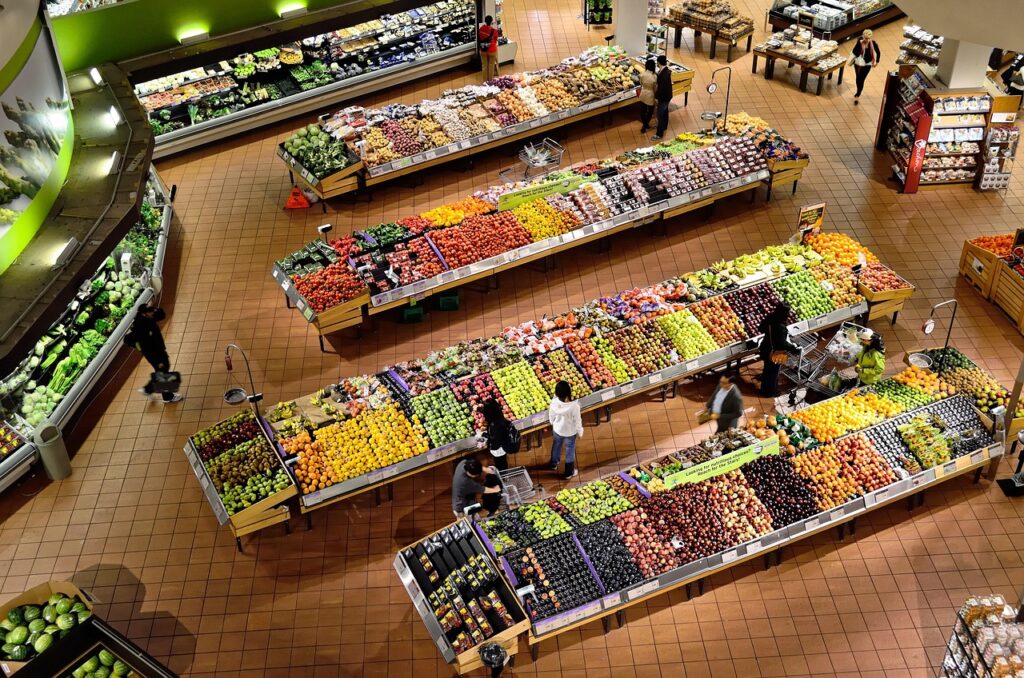
Looking to boost sales without increasing your retail footprint?
The average retailer will spend hours fine-tuning their product mix and price points. Weeks crafting their online marketing campaigns. Months building out their ecommerce website.
And when it comes to the layout of their brick-and-mortar store..
They throw darts at a wall.
Except the dartboard is their entire business. And those darts? Products that drive sales.
Here’s the thing:
Products are frequently stocked in the wrong places. Customers unknowingly walk past entire categories. High-margin goods get hidden away on shelves nobody visits.
Sound familiar? What if there was a better way?
Enter range optimisation software. The solution brick-and-mortar retailers have been waiting for. And no, this isn’t a super complicated program that only IBM could understand.
You’ll learn:
- Why optimising your store layout is boosting revenue
- A simple explanation of how range optimisation software works
- The REAL benefits of getting your store layout right
- What you can do to improve store layout from today
Why Store Layouts Are a Revenue Driver
Think about it for a second…
Restaurant and hotel owners pay interior designers to meticulously craft their establishments. Big deals are made over how flooring or wall colours will influence customer behaviour.
Yet as soon as you bring up store layouts in a retail-focused conversation..
Dead air. Crickets.
But why?
It should be every retailer’s number one priority. The layout of a brick-and-mortar store dictates everything from planogram compliance to inventory management. So it only makes sense that getting it right can skyrocket in-store sales.
Changing a store layout doesn’t have to be difficult, though. Planogram design software like Scorpion can transform the headache that is retail floor planning into a meaningful revenue driver.
Suddenly, retailers won’t have to guess where products should be located. They’ll know. Thanks to a powerful layout optimisation tool using category recommendations and sales data.
The proof is in the pudding (or should it be “sales figures”?)
Physical stores aren’t going anywhere. In fact, recent industry data shows that a whopping 83.7% of retail sales are generated by brick-and-mortar locations.
With numbers like that, it only makes sense to give store layouts everything you’ve got to squeeze out the highest sales possible.
How Range Optimisation Software Works
Okay, so store layouts are important. But what does optimising them actually mean?
Fair question. Here’s a simple definition:
Range optimisation uses a software program to assign every product in an inventory an ideal location on the sales floor.
Sound too good to be true?
Let’s break it down.
Essentially, range optimisation software takes all of the sales data into account. Evaluating product sales velocities, customer browsing habits, category affinities, you name it. Then spits out a fool-proof floor plan that’s guaranteed to increase sales.
What Are The Benefits of Optimising Your Store Layout?
Obviously, optimising a floorplan is the bee’s knees. But what else can it do?
Well for starters..
Sell More Products
This has already been covered, but.. stocking a store in the right places can massively increase sales.
Higher quality product placements = More purchases.
Think of it as SEO for brick-and-mortar retail. You want customers to see the most profitable merchandise first.
Fewer Stockouts and Stock Directory Errors
Did you know that 86% of unhappy customer reports are attributed to poor in-store experiences? Returns, out-of-stock complaints you name it.
So why risk slowing sales associates down with inefficient product locators? Implement a range optimisation plan that showcases exactly where every product lives.
Making it easier for staff to keep shelves tidy and customers happy.
Side note: Tools like Scorpion also come with shelf compliance features. Making regular shelf checks less of a headache.
More Impulse Purchases
Speaking of impulse purchases..
Research shows that 31.5% of shoppers make at least one impulse buy during their shopping trip.
By placing popular items near high-demand products, retailers expose customers to even more of what they have to offer.
Creating opportunities for impulse buys they never even knew they wanted.
Smarter Restocking Plans
You can’t properly optimise a store floor if the shelves are always empty.
Stocking and restocking products are one of the biggest benefits of floor plan optimisation. Knowing exactly which areas of the store are most popular and which ones need a little extra love makes a huge difference.
Ensuring shelves are fully stocked has never been easier.
Increase Customer Lifetime Value
Ready for the best part?
Happy customers come back for more. And if a store layout is prioritising their needs, expect a pretty drastic increase in customer retention.
More loyal customers = More repeat sales.
= Pure profit.
Ready to Optimise?
Ok so this article has covered why you should optimise your store layout, but how do you get started?
Here are a few tips to kick you in the right direction:
Keep Auditing and Optimising
A store layout isn’t set in stone. Sales numbers and product performances change on a weekly basis. So why not the floorplan?
On average, data tells us that the best retailers will reassess their store layout at least once per quarter.
Something as simple as moving a low performing shelf to a high traffic area can make all the difference.
Monitoring store performance is key.
Stick to a Theme
You know how McDonalds looks the same in every country?
Internationally.
Theme a store’s design around its products. Stay consistent with where the highest margin items are being displayed. For example, dedicating an end cap to premium products is a great starting point.
Set Shelf Compliance Goals
Trying to tackle an entire store at once can be overwhelming. Make it a goal to get 80% shelf compliant for the highest volume products first. Once that clicks, categorising the rest of the inventory becomes second nature.
Utilise software to ensure those compliance goals are being hit. There’s nothing worse than thinking shelves look good, when the sales floor tells a different story.
Wrapping Up
Would you let someone flip a restaurant menu without consulting the owner first?
Of course not!
The menu is the business. So why leave a store’s floorplan to chance?
Planograms and range optimisation software exist for a reason. Don’t be afraid to dive in head first and make changes that could ultimately impact a business’s bottom line.
Once the results start rolling in, it’ll be hard to imagine planning a floor layout any other way.
Keep these tips in mind next time you find yourself arguing with a store layout..
You’ll be glad you did.
