

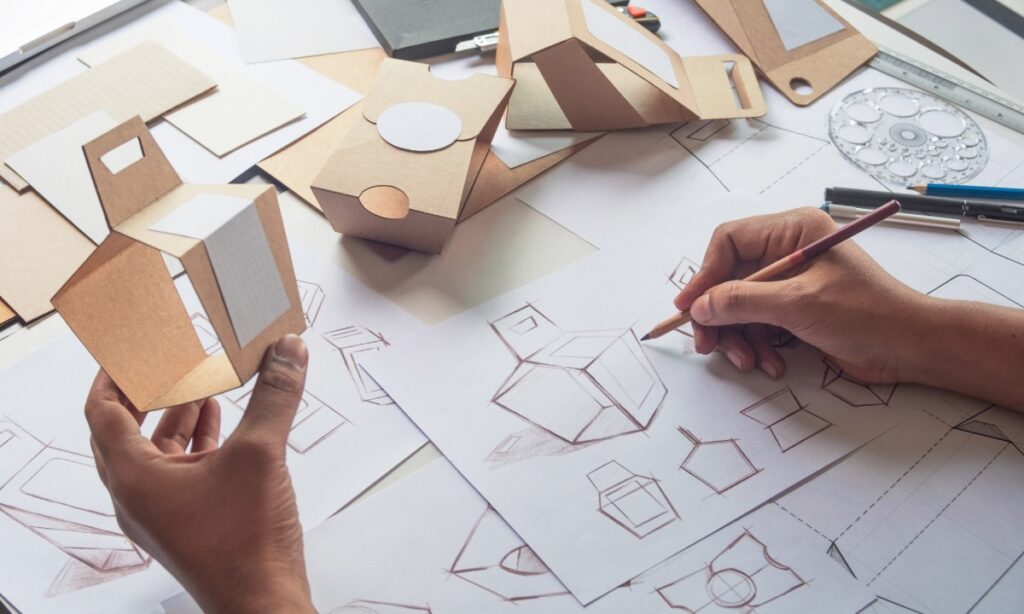
A product concept is a design idea that shows what a future product should look like, how it should work, and why people should want it. But a strong concept is not only a sketch, render, or prototype. It is also a practical plan that manufacturers can understand, quote, build, inspect, and repeat.
Many promising ideas struggle when they move from screen to production. A product may look impressive but become expensive, fragile, inconsistent, or slow to produce once it reaches the factory floor.
Manufacturability is not the enemy of creativity. It is the bridge between creative intent and real-world production. When designers think about materials, tolerances, supplier capabilities, assembly, and inspection early, they protect the original idea and make it easier to build.
What Does It Mean To Make A Product Concept Easier To Manufacture?
Making a product concept easier to manufacture means designing it so it can be produced accurately, efficiently, and repeatedly using available materials, tools, machines, and supplier capabilities. In simple terms, the designer gives the manufacturer fewer reasons to guess.
A manufacturable concept has clear dimensions, realistic shapes, suitable materials, practical tolerances, and enough detail for a supplier to understand the intended result. It does not hide major production decisions behind a stylish render.
This does not mean designers must remove every premium detail. It means they should understand which details matter most and which details create unnecessary production difficulty.
For example, a luxury product casing may require a specific surface finish but not extremely tight tolerances at a hidden internal edge. A good manufacturable design keeps the idea strong while making the path to production clearer.
Why Should Designers Think About Manufacturing Earlier?
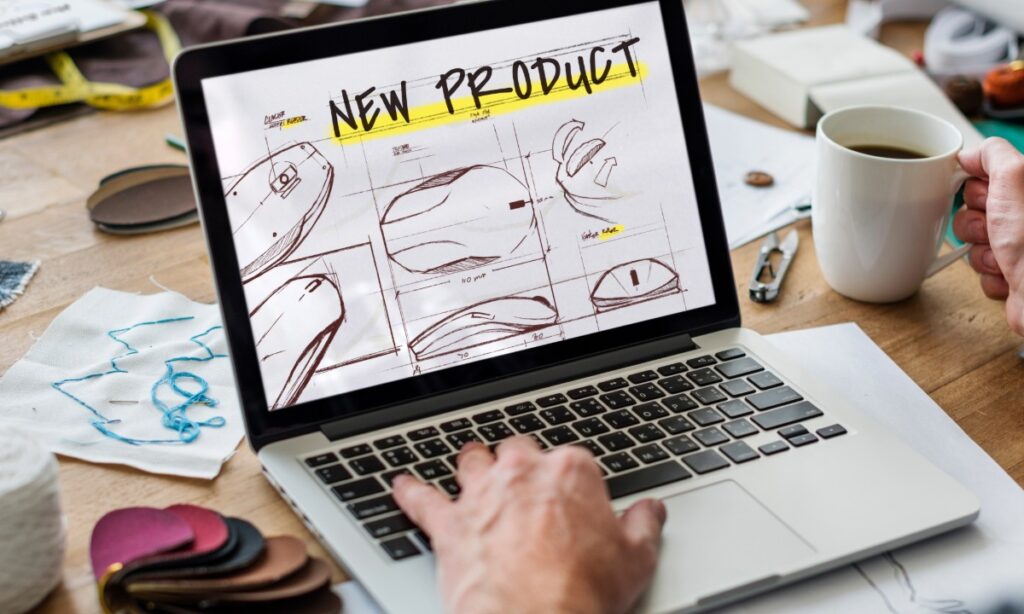
Designers should consider manufacturing earlier because early production planning reduces costs, protects quality, improves communication, and prevents late design changes. When manufacturing is treated as a final step, problems often appear after money has already been spent on concept design, sampling, and marketing preparation.
Early manufacturing thinking also helps designers ask better questions. Can this material hold the required load? Can the finish be repeated at scale? Can the supplier produce this geometry without special tooling?
There are 5 main advantages of thinking about manufacturing earlier:
- Reduce production delays: Designers can remove unclear details before suppliers start quoting.
- Lower prototype and tooling costs: Practical geometry and standard components can reduce the number of sample changes.
- Improve product quality: Clear specifications help the final product match the approved concept.
- Make supplier communication easier: Manufacturers can give better feedback when requirements are complete.
- Protect the original design vision: Early technical decisions prevent uncontrolled factory changes later.
For larger projects, a designer may also benefit from asking the client or production team to complete a supplier capability assessment before choosing a factory. This helps confirm whether the supplier has the equipment, experience, inspection process, and capacity needed to properly implement the concept.
Which Early Design Choices Usually Create Manufacturing Problems?
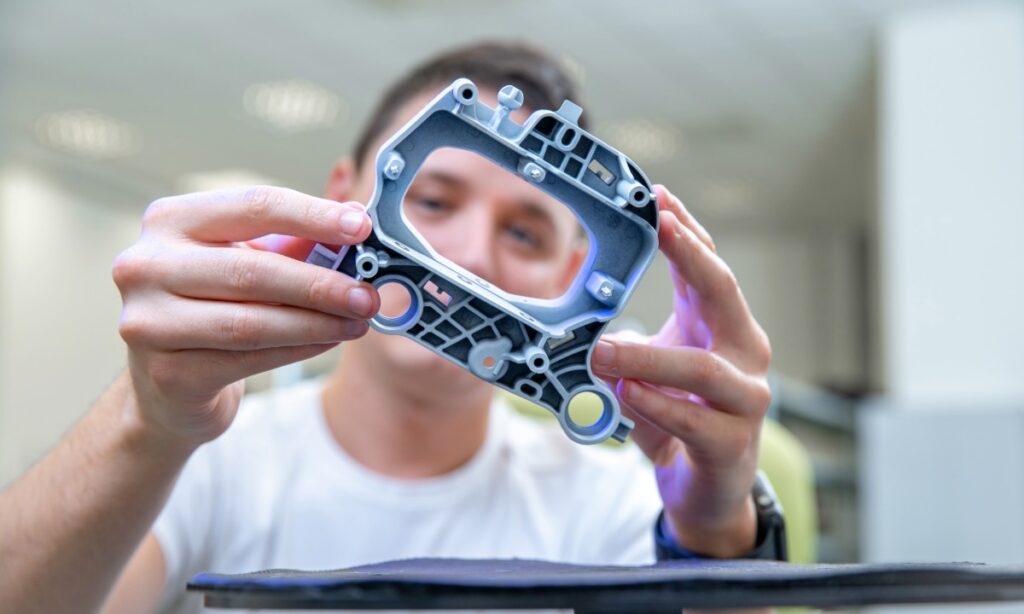
Early design choices that often create manufacturing problems include complex shapes, unclear dimensions, unrealistic tolerances, unsuitable materials, and missing production details. A designer may choose a curve because it looks elegant. A brand team may request a premium finish. A client may ask for a thinner profile. Each decision can affect tooling, cutting, molding, assembly, inspection, or packaging.
The issue is not complexity itself. The issue is unsupported complexity: the design requires precision, materials, or processes that have not been tested under real production conditions.
Common problem areas include:
- Overly complex shapes that require special tooling or slow machining.
- Unclear dimensions that force the manufacturer to interpret the design.
- Unrealistic tolerances that increase inspection work and rejection rates.
- Difficult material combinations that may expand, shrink, bend, or corrode differently.
- Too many custom parts that raise cost and supply chain risk.
- Missing notes for finishes, fasteners, or joining methods.
A product concept becomes easier to manufacture when these choices are reviewed before the first serious prototype is made.
How Do Materials And Tolerances Affect Manufacturability?
Materials are physical substances used to make a product, and they affect manufacturability because every material has its own strength, weight, flexibility, surface behavior, cost, and production limits. Metals, plastics, composites, wood, textiles, glass, rubber, ceramics, and specialty materials all behave differently during cutting, bending, molding, joining, coating, and shipping.
A designer should choose materials based on function first, then refine the visual and brand experience. A thin aluminum cover may feel premium, but it may dent if the wall thickness is too low. A glossy plastic part may look sleek in a render, but it may show scratches or molding marks after production.
Tolerances are acceptable measurement variations in a manufactured part and affect cost because tighter tolerances require greater precision, control, and inspection. A tolerance tells the manufacturer how much a dimension can vary while the part still works correctly.
Not every dimension deserves a tight tolerance. A hinge, sealed enclosure, or sliding component may need very controlled dimensions. A hidden cover or decorative edge may not.
How Can Designers Simplify Geometry Without Weakening The Idea?
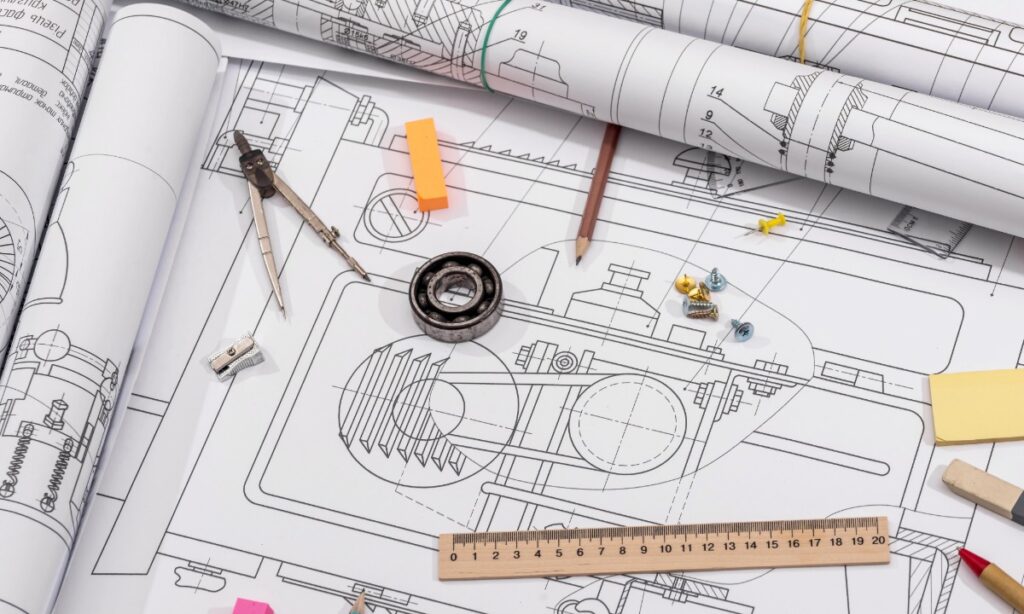
Designers can simplify geometry by removing unnecessary features, using standard dimensions, reducing part count, and protecting the visual details that matter most. The goal is not to make the product look cheap. The goal is to keep the strongest design elements while removing details that create production waste or assembly confusion.
There are 5 main steps designers can follow:
- Remove unnecessary curves or hidden features; keep those that affect identity, comfort, or function.
- Use standard sizes where possible: Standard screws, sheet sizes, connectors, and material thicknesses are easier to source.
- Design for the chosen production process: A molded plastic part, a machined metal component, and a sheet metal part each need different rules.
- Reduce part count: Fewer parts usually mean fewer assembly steps, fewer defects, and lower inventory risk.
- Keep visual details where they matter most: Place premium details on visible surfaces, touchpoints, and brand-defining areas.
Simple geometry is not a weak design. It is a controlled design.
How Should Designers Prepare Files And Specifications For Manufacturers?
Production files are documents and digital assets that manufacturers use to quote, prototype, build, inspect, and approve a product. These files are the language between the designer and the factory. If that language is unclear, the manufacturer may still build something, but it may not be what the designer intended.
Manufacturers need more than a visual concept. They need to know what is fixed, what is flexible, and what must be approved before production continues.
Must-have details include:
- CAD files in the correct format for engineering review.
- Technical drawings with dimensions, tolerances, and revision numbers.
- Material specifications with grade, thickness, hardness, or finish.
- Surface finish notes for color, texture, coating, polish, or printing.
- Assembly instructions showing how parts connect.
- Critical quality points to check before shipment.
- Approved sample references so the factory has a clear benchmark.
For products with moving parts, robotics, automated features, or precision positioning, designers should also explain motion requirements early. That may include load, speed, torque, range of movement, accuracy, and control behavior before engineers select motors, drives, or servo controls.
How Can Prototyping And Inspection Catch Problems Before Production?

Prototyping is the process of building an early version of a product to test shape, function, fit, usability, and production risk. Inspection is the process of checking whether a product, part, sample, or batch matches the required specifications. Together, they help designers identify problems before they become costly production failures.
A prototype can reveal issues that drawings cannot. A handle may look elegant but feel uncomfortable. A casing may look slim, but it flexes too much. A surface finish may photograph well, but it scratches easily in real use.
Inspection checks whether the manufacturer can replicate the approved design across multiple units, not just a single perfect sample. Useful checks include prototype review, material verification, dimensional inspection, finish inspection, pre-shipment inspection services, and during production inspection services.
For complex supply chains, a third-party inspection company or quality control expert can help protect the approved design before final shipment.
Conclusion
Design teams build better relationships with manufacturers by communicating clearly, asking production questions early, sharing complete files, and respecting technical feedback. A manufacturer is not only a vendor at the end of the process. A good manufacturer is a practical partner who understands tooling, materials, machines, labor, inspection, packaging, and repeatability.
A product concept becomes easier to manufacture when creativity and production logic work together. The idea still needs emotion, form, beauty, and market appeal. But it also needs clear drawings, realistic tolerances, suitable materials, reliable suppliers, and a quality control plan.
The strongest concepts are not only attractive on screen. They are realistic to build, inspect, ship, sell, and use.
