

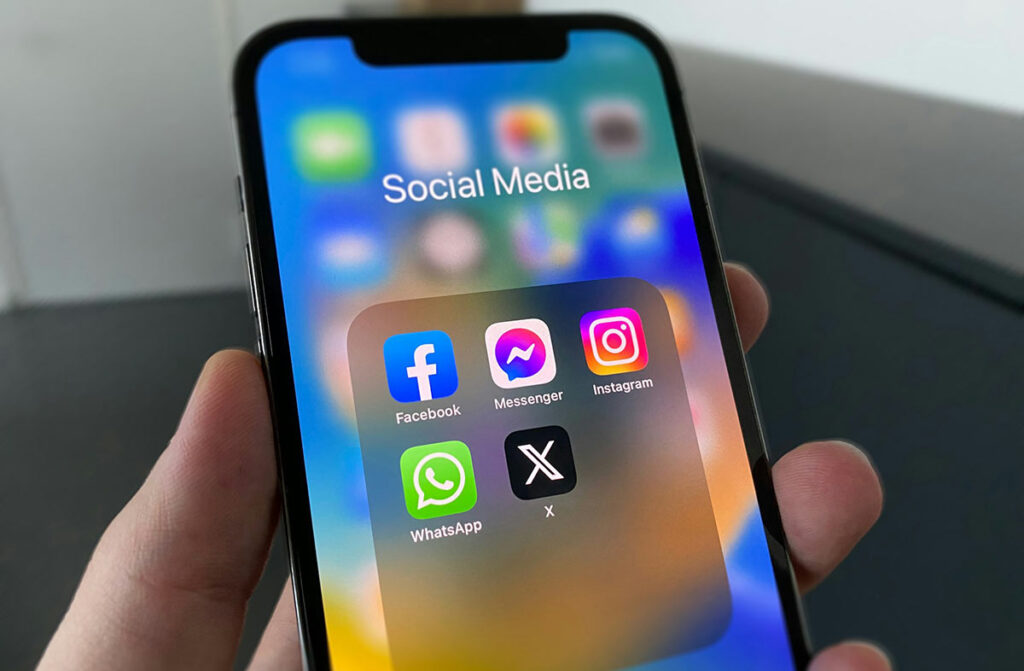
Social media is more than just a marketing and branding medium today. Rather, it’s the frontline of your brand’s identity, communication, and customer experience. In a recent Forbes article, marketing entrepreneur Gary Vaynerchuk notes that a social-first approach is now “the most effective way” to establish a brand. He also says that it can take a brand from zero to $250 million without a massive investment.
Done well, social media marketing builds loyal communities, boosts awareness, and drives conversions. However, even well-intentioned brands often make mistakes that silently damage their reputation and engagement. Understanding and avoiding them is essential for maintaining a strong, authentic social media presence that resonates with your audience.
In this article, we will list the mistakes that could cost your brand trust and visibility on social media.
1. Ignoring Audience Engagement
Perhaps the most damaging mistake brands make is ignoring audience engagement. Social media is fundamentally a two-way conversation, not a one-way broadcast. When users comment, ask questions, or share your content, they signal interest and expect a response. Failure to reply promptly makes your brand appear indifferent, distant, or untrustworthy.
According to data published by Statista, 31% of respondents in a US survey expected a response to questions and complaints within 24 hours. Ignoring comments, questions, or negative feedback can quickly escalate into larger reputation issues. For example, a customer frustrated by a delayed response may post publicly about their poor experience, influencing others’ perception of your brand.
To avoid this mistake, you can take the following steps:
- Set up notifications for comments and mentions
- Create a response template library for common questions
- Assign team members to monitor and engage daily
- Acknowledge both positive and negative feedback respectfully
Engagement isn’t just about answering questions but about building relationships. You must also thank users for sharing posts, ask follow-up questions, and participate in conversations.
2. Being Overly Promotional
Surprisingly, an overly promotional brand on social media can lose its credibility and visibility. Many brands treat their social media channels as constantly running sales pitches. They flood followers with product announcements, discounts, and calls to action. While promotion is necessary, an imbalance makes your content feel shallow, transactional, and exhausting.
Followers expect value on social media, as they want to learn something, be inspired, or feel entertained. When every post focuses on conversion, audiences tune out or even unsubscribe. The 80/20 rule is widely recommended, with 80% of your content educating, inspiring, or entertaining, and only 20% directly promoting your products.
To strike the right balance, you can:
- Create educational content like tutorials, tips, or industry insights
- Post user testimonials and success stories
- Share behind-the-scenes stories and team highlights
- Run polls, quizzes, or interactive content
Remember, people connect with people, not logos. Showing your brand’s human side builds trust through authenticity.
3. Neglecting Cultural Sensitivity
FasterCapital highlights that businesses encounter diverse cultural norms, values, and consumer behaviors when expanding beyond local borders. Failing to navigate them can lead to missed opportunities, financial losses, and damage to brand image. Neglecting cultural sensitivity is a mistake that can also affect your brand’s social media presence.
Posting content that stereotypes, mocks, or misunderstands cultural differences can lead to backlash, boycotts, and public relations crises. For example, appropriating cultural practices without understanding their significance can alienate large segments of your audience. In recent years, multiple high-profile brands have faced criticism due to culturally insensitive posts.
Overlooking cultural sensitivity is just like failing to realize the importance of audience mental health, another mistake many brands make. The Snapchat lawsuit highlights how the app’s features endangered the mental health of its users. The extent of damage led to many users filing lawsuits against Snap Inc., the creator of Snapchat.
TorHoerman Law notes that the platform has also been flagged for causing body dysmorphia and addictive behaviors in young users. Brands should see these lawsuits as a warning sign, considering how they have harmed the reputation of Snapchat. Audiences increasingly expect brands to act responsibly on social issues.
To stay culturally sensitive, you must:
- Research your audience’s cultural backgrounds before posting
- Avoid stereotypes and generalized assumptions
- Consult diverse voices when planning content
- Be cautious with humor, which can easily be misinterpreted
Inclusivity builds trust, expands your reach, and positions your brand as thoughtful and responsible.
4. Posting Identically Across All Platforms
According to a ResearchGate study, a diversified social media strategy enables businesses to do better than those covering fewer platforms. The approach has been proven to increase total web sales by 2-5%. Overlapping impressions across platforms explain the better performance. Exposure to consistent messaging on diverse platforms enhances purchase intent and reinforces brand awareness.
However, consistency does not mean uniformity. In fact, posting the same content identically across all social media platforms can go against a brand. Each platform has unique formats and requirements. For example, Instagram favors high-quality visuals, Twitter thrives on conciseness, LinkedIn suits professional insights, and TikTok rewards entertaining, short-form video.
When you post the same content everywhere, it may feel out of place on some platforms. Long LinkedIn posts may overwhelm Twitter users, while Instagram’s visual focus means text-heavy posts get ignored. This mismatch reduces engagement and makes your brand appear inexperienced or indifferent to platform nuances.
To optimize across platforms:
- Tailor content format to each platform
- Adjust tone and length based on platform norms
- Schedule posts when the audience is most active
- Repurpose core messages in different formats
A platform-specific approach shows you understand your audience and respect where they spend their time.
FAQs About Social Media Marketing and Brand Building
Question: How can social media marketing boost brand trust?
Question: How to increase your brand’s social media following?
Question: Why should you aim for the right balance between promotional and non-promotional content?
Key Takeaways
| Mistake | Impact on Brand | How to Avoid It |
|---|---|---|
| Ignoring Audience Engagement | Reduces trust, damages reputation, lowers customer satisfaction. | Respond promptly, monitor comments, and engage in conversations. |
| Being Overly Promotional | Causes audience fatigue, decreases engagement, and leads to unfollows. | Follow the 80/20 rule and provide educational and entertaining content. |
| Neglecting Cultural Sensitivity | Triggers backlash, harms brand image, and alienates audiences. | Research cultures, avoid stereotypes, and seek diverse perspectives. |
| Posting Identically Across All Platforms | Lowers engagement and makes content feel irrelevant. | Customize content format, tone, and timing for each platform. |
| Poor Balance of Promotional vs. Value Content | Weakens audience trust and loyalty. | Mix promotions with informative, inspirational, and interactive posts. |
Avoiding these five common mistakes will protect and strengthen your brand’s social media presence. By prioritizing authentic engagement, balanced content, cultural awareness, thoughtful hashtag use, and platform-specific strategies, you’ll build trust, expand your reach, and create a social media presence that truly resonates with your audience.
