

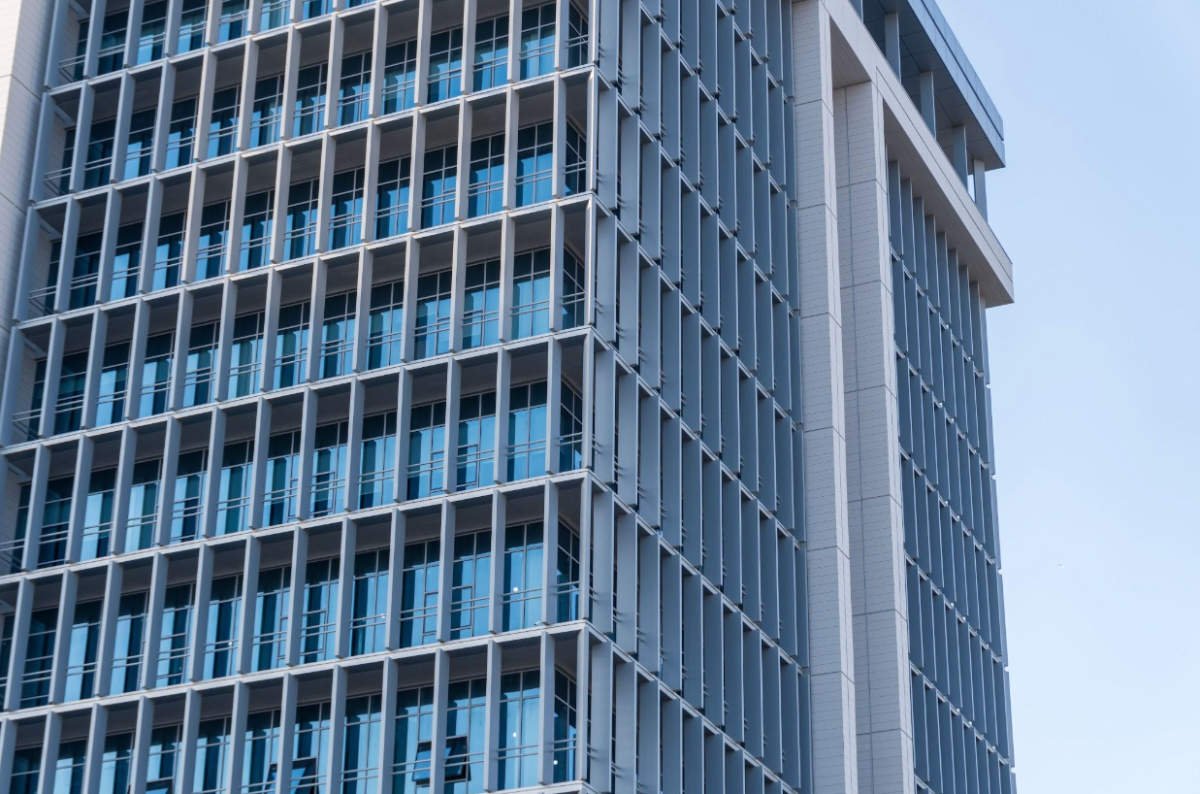
Architectural resilience is redefining commercial spaces as planners incorporate specialized emergency response strategies into structural recovery blueprints.
Severe storm events continue to test physical infrastructure, forcing commercial property owners to rethink traditional construction models. When extreme weather damages a retail center or corporate office, the financial impact extends far beyond immediate repair costs. Extended downtime disrupts business operations, alienates tenants, and erodes long-term asset value.
Spatial designers now approach commercial projects through a lens of risk mitigation. Planning for potential climate hazards during the conceptual phase allows you to protect your property investment while maintaining a modern commercial aesthetic. Incorporating proactive defense measures into primary site layouts helps shield critical building systems against unpredictable environmental forces.
How Is Climate Resilience Reshaping Commercial Spatial Design?
Spatial design requires a forward-thinking framework that balances long-term durability with tenant comfort. You need proactive design strategies that prioritize structural resilience without compromising on visual appeal. Integrating resilient spatial concepts early in the design phase ensures that key operational areas remain safe and intact during severe weather.
Building orientation, site drainage systems, and elevated mechanical spaces form the backbone of a weather-ready layout. Positioning vital electrical utilities above historical floodlines keeps core infrastructure operational when surface waters rise. Designing exterior courtyards with permeable surfaces allows heavy rainfall to drain efficiently, reducing structural runoff pressures on primary foundation walls.
Why Should You Integrate Catastrophe-Resistant Materials into Exterior Facades?
Modern exterior design requires a careful selection of building materials that endure physical impact, high winds, and moisture saturation. Advanced composite cladding, reinforced glazing systems, and heavy-duty structural seals provide a strong defense against sudden environmental pressures. Selecting high-performance materials allows your building facade to absorb physical stress while retaining its original aesthetic design.
Choosing high-impact materials minimizes structural degradation over time and cuts long-term maintenance overhead. Building owners and architects exploring full-scale disaster recovery frameworks can find specialized emergency response resources regarding commercial storm damage repair on this site to plan effective reconstructions after severe storm events. Installing durable structural components now prevents minor storm encounters from turning into catastrophic interior flooding or framing failures later.
Strategic material placement cuts post-storm repair timelines significantly. Investing in durable architectural elements keeps your properties operational and minimizes tenant disruption after severe environmental events occur.
How Do You Balance Brand Identity with Emergency Structural Stabilization?
Maintaining a cohesive visual identity remains a top priority for any commercial enterprise. Modern engineering enables you to conceal protective features directly within prominent architectural elements. Heavy-duty structural columns can be disguised as decorative pillars, while reinforced storm shutters retract neatly into polished facade panels during normal business hours.
Balancing aesthetic goals with structural safety requires close coordination between creative designers and structural engineers. Integrating hidden structural reinforcements helps preserve your corporate branding during everyday operations while offering rapid stability during severe weather.
- Reinforce entry points: Strengthen glass vestibules and main entrances using hidden impact-resistant subframes.
- Conceal protective barriers: Install retractable flood gates and storm shields that blend seamlessly into exterior masonry.
- Secure roof systems: Utilize perimeter parapets designed to redirect strong wind loads away from primary roof membranes.
Seamless design strategies mean your properties never have to look like fortified bunkers to remain safe. You can showcase a welcoming, sophisticated brand image while holding strong against sudden natural disruptions.
What Is the ROI of Climate-Ready Design Frameworks?
Implementing disaster mitigation features during early design phases yields substantial long-term financial returns. Stronger building envelopes reduce property risk ratings and lower recurring insurance premiums for commercial real estate portfolios. Official estimates from the Federal Emergency Management Agency show that modern building codes save over $1.6 billion annually in storm and flood damage across commercial and residential structures.
Proactive architectural planning protects physical assets while preserving continuous revenue streams. Properties constructed with structural resilience in mind consistently experience shorter recovery periods after regional natural disasters. Lowering physical vulnerability gives your operations a distinct market advantage when regional disruptions happen.
Resilient commercial properties maintain higher occupant retention rates following severe weather events. Tenants prefer leasing spaces that offer operational continuity and strong structural safety guarantees.
How Do Architects and Disaster Recovery Contractors Collaborate Effectively?
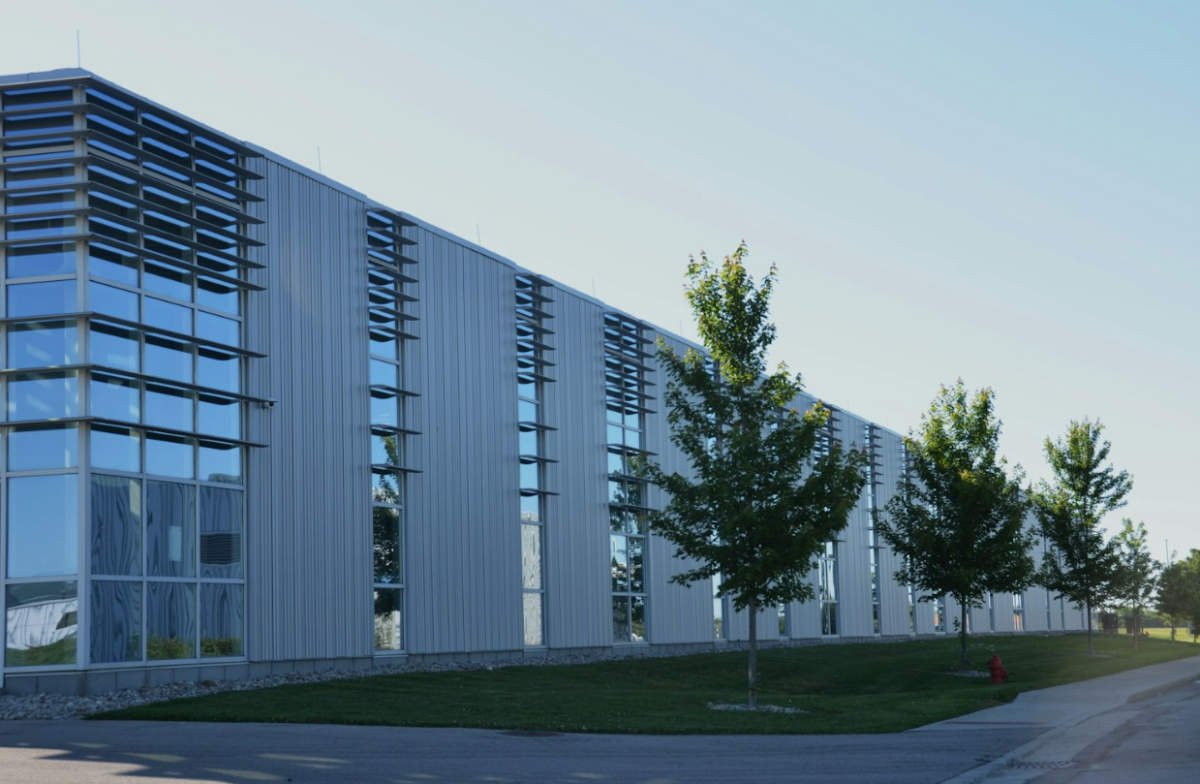
Bridging the gap between initial design blueprints and post-disaster execution requires early cross-industry collaboration. Architects create the overarching vision, but disaster recovery contractors offer practical insights on structural recovery workflows. Involving recovery specialists during the design phase ensures your property includes dedicated access zones for emergency crews and staging areas for structural repair equipment.
Pre-planned recovery protocols help clear pathways for restoration teams long before a storm strikes. Design teams that consult recovery specialists integrate dedicated utility bypass valves, external generator hookups, and rapid-extraction access points into primary building schematics.
This collaborative approach streamlines structural stabilization when time is critical. Data from the Insurance Institute for Business & Home Safety shows FORTIFIED Commercial structures experience up to 40% lower property losses during severe wind events. Shared planning frameworks eliminate guesswork, speeding up structural repairs and reducing operational downtime.
Proactive structural planning changes how commercial real estate recovers from extreme weather events. Integrating disaster recovery frameworks into early design stages safeguards physical assets, protects tenant safety, and preserves commercial brand value. Aligning design concepts with specialized recovery workflows ensures your commercial structures remain functional, visually striking, and structurally sound for decades to come.
