
From Concept to Roadshow: The Design Journey Behind Mobile Marketing
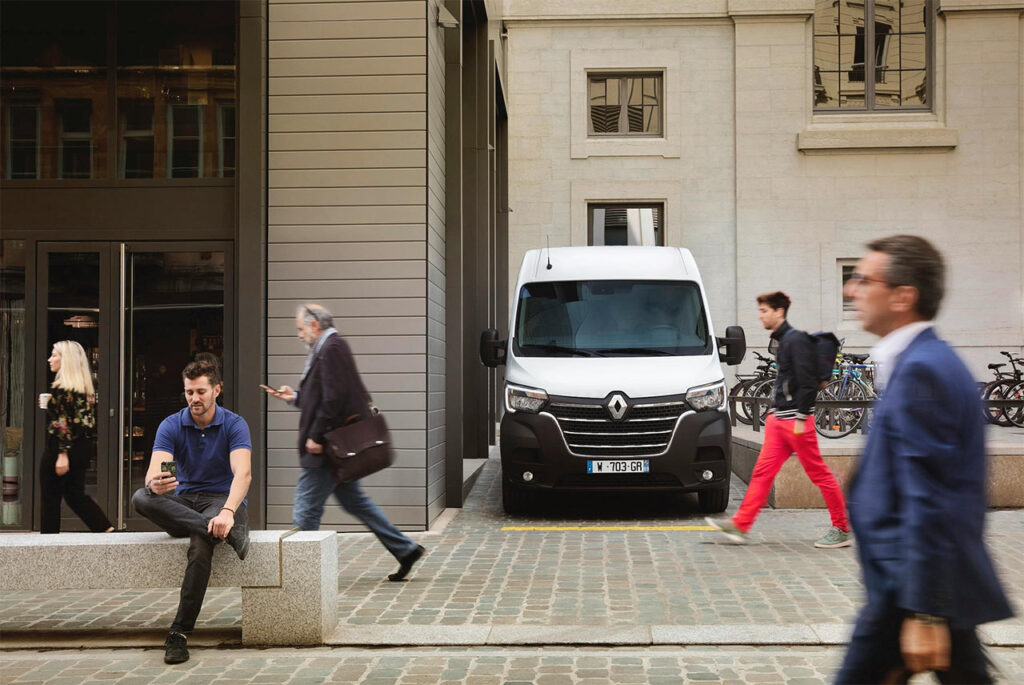
Mobile marketing has emerged as one of the most impactful ways to engage with customers.
Taking a brand on the road seems like an easy concept. In reality, it takes a journey of careful design and planning. Your regular delivery truck has to transform into an unforgettable brand experience on wheels.
Here’s the thing…
It’s surprising how many businesses underestimate that process. Just printing a logo on a trailer doesn’t cut it. The work happens long before the first tour stop. It’s in the design journey. The early phase of sketching and prototyping. And all the way through to final fabrication.
In This Guide
- Why Mobile Marketing Really Works
- The Mobile Marketing Design Journey
- Key Stages of Building a Roadshow
- Outperforming with Mobile Tours
Why Mobile Marketing Really Works
Mobile marketing activations deliver in-person brand experiences.
Instead of waiting for customers to find you, a roadshow brings the brand to them. That face-to-face connection creates a bond that no digital ad can replicate.
In fact, the hard numbers bear this out. Research from Marketing Dive found global experiential marketing spend reached $128.4 billion in 2024. That’s a 10.5% increase over the previous year alone.
Wow. What’s driving that investment?
In short, experiential marketing delivers. Custom built experiential marketing vehicles give brands a way to craft immersive activations that stick in minds. Mobile marketing turns a passing observer into a new customer.
The great thing about mobile marketing is that a single tour can hit dozens of markets, events, and festivals. Every stop represents a chance to connect with a fresh audience.
The Mobile Marketing Design Journey
Every great mobile activation has a strong design starting point.
The design process itself is not just about making things pretty. It’s about creating a vehicle that speaks to brand messaging, connects with audiences, and ticks all the boxes in terms of practicality.
Let’s break down that process a bit.
Discovery Phase
Discovery is where the heavy lifting is done. At this stage, designers will be digging deep with brands to uncover the:
- Who they’re trying to reach
- Goals of the campaign
- Budget limits
- Logistics of the tour
Without solid input during the discovery process, even the most eye-catching design will fail to hit its mark. This is about creating a vehicle that is laser-focused on the specific campaign objectives.
Concept Development
Ideas start flowing during the concept stage. Creative teams are now dreaming up different vehicle styles, layouts, and features.
The exact shape of the concept development phase can vary. Some brands want a small van for city-based activations. Others need a full trailer to facilitate product demos. The concept phase is where the team will narrow the possibilities and start deciding what makes sense for the campaign.
3D Rendering and Prototyping
Advances in 3D software mean teams can create photo-realistic renderings of concepts before committing to a build. These digital assets are critical for showing clients exactly what the final vehicle will look and feel like.
Prototyping helps to surface problems early in the process. It’s cheaper to fix a mistake on screen or paper than with a partially constructed trailer sitting in your workshop.
Key Stages of Building a Roadshow
There’s lots of moving parts to a well-planned and executed roadshow tour.
The build phase is when the actual vehicle construction happens. Fabricators, engineers, designers, and project managers will all be working in sync to create something special. The following stages show what that looks like.
Fabrication
Building a custom vehicle to the high standard required for modern mobile marketing requires skilled craftspeople. The fabrication stage is where the look and the function of the vehicle are brought together.
High-quality builds use weatherproof materials that are built to last on the road. Components have to survive rain, sun, dust, and everything in between.
Tech and Tools
Interactive screens, sound systems, dynamic lighting, and data capture are all important elements of today’s mobile marketing experiences.
A report from ATN Event Staffing shows 82% of event attendees would rather attend in-person events. That doesn’t mean technology is out of the picture though. Interactive features and tech components can enhance the experience if added thoughtfully.
AR displays, touchscreen product demos, social media sharing photo booths – all these features add extra dimensions of engagement that help tours stand out.
Branding
The right vehicle wrap and interior branding can completely transform a basic truck into a showstopper. Good designers think about:
- Visibility of graphics at a distance
- Consistency of look with the wider brand
- Opportunities to stop and take social photos
- Creating the right interior atmosphere
The entire vehicle is a canvas to communicate the brand message to onlookers.
Pulling It All Together
The competition for consumer attention is intense.
A generic mobile marketing activation is a waste of an opportunity. Businesses need to think outside the box when it comes to designing something that stands out.
Here are some ideas.
Create Shareable Moments
Social media can amplify any mobile tour far beyond the physical footfall. Think about designing elements of the tour that simply beg to be shared on social.
Unusual backdrops, fun interactive installations, memorable giveaways – these are the types of experience that win UGC (user-generated content).
Location Strategy
As important as the experience itself is location strategy. Weather, local events, local demographics all influence campaign success. A beauty brand recently chose four high-humidity American cities as key locations for an anti-frizz product launch. Intelligent.
Train Staff Well
The best mobile activations have amazing vehicles. But they also have equally skilled and engaging brand ambassadors on hand at each stop. Well-trained staff will:
- Be product experts
- Engage people in authentic ways
- Gather useful data
- Always represent the brand professionally
Planning for Measurement
Data tracking allows brands to get ROI on their investment. It also helps with decisions about future tours.
For example, modern mobile activations can capture information on:
- Attendance
- Engagement time
- Social mentions
- Leads collected
This data can be used to optimize route plans, staff levels, and experience design in future campaigns.
Conclusion
Mobile marketing tours are one of the most powerful experiential marketing tools in the modern arsenal.
The design journey behind them is both challenging and rewarding. From the early concept and prototyping work through to fabrication and finally execution on the road. Every phase needs careful management and execution.
For brands that do it right, the benefits are huge. Face-to-face customer engagement, multi-market reach from a single unit, memorable brand experiences, and more.
The key is never to be lazy in the design phase. It’s always tempting to rush a stage to save time or money. Don’t. Every compromise here is another missed opportunity (or expensive repair) on the road.
The companies that understand and embrace the mobile marketing design journey are the ones that will use it to drive real business growth.