

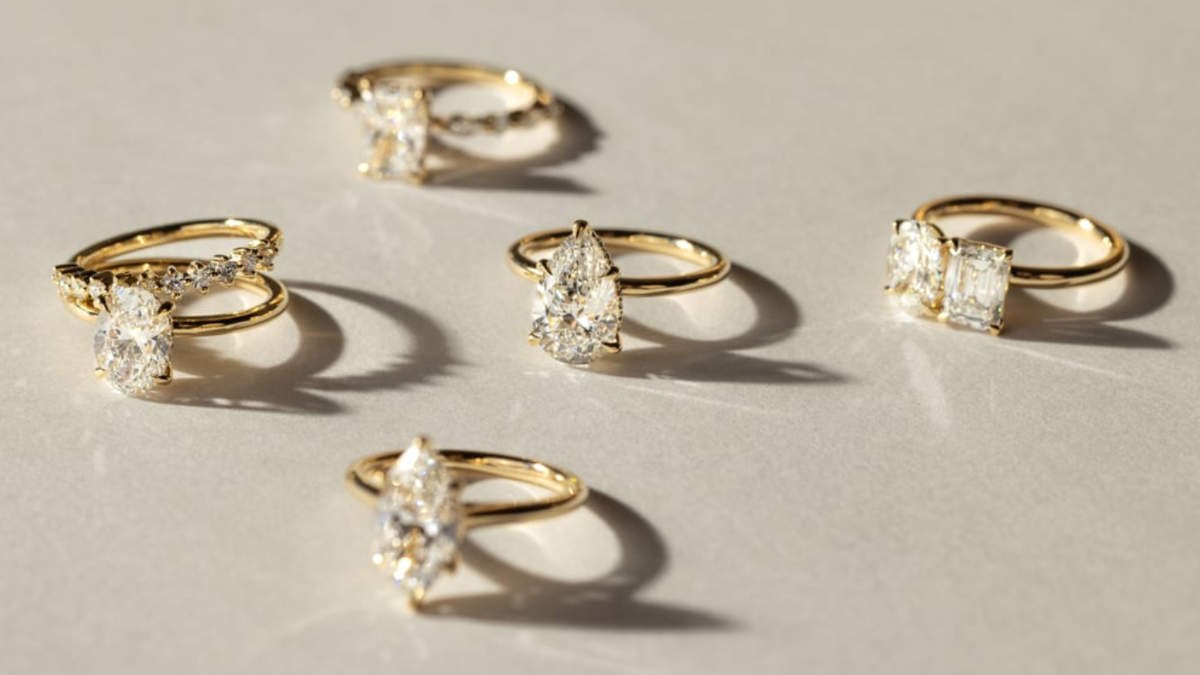
Ring trends come and go faster than you’d think. But a handful of styles keep showing up decade after decade, on grandmothers and Gen Z brides alike. Here’s why they’ve stuck around.
The Solitaire
One stone, one band, nothing else competing for attention. It’s the style Tiffany popularized back in 1886 with the six-prong setting, and it hasn’t really needed an update since. Part of the appeal is how much it flatters the stone itself: with no side diamonds or halo pulling focus, the centre gem does all the talking. A round brilliant or oval solitaire photographs beautifully too, which matters more than people admit when half the engagement happens on Instagram now.
The Halo
Critics call it a trend from the 2010s. They’re wrong, or at least only half right. Halo settings, where a ring of smaller diamonds circles the centre stone, actually date back to Georgian and Victorian jewellery from the 1700s and 1800s. What keeps it relevant is practical: a halo can make a 0.75-carat stone look closer to a full carat, which is a real consideration when budgets are tight and diamond prices keep climbing.
Three-Stone Rings
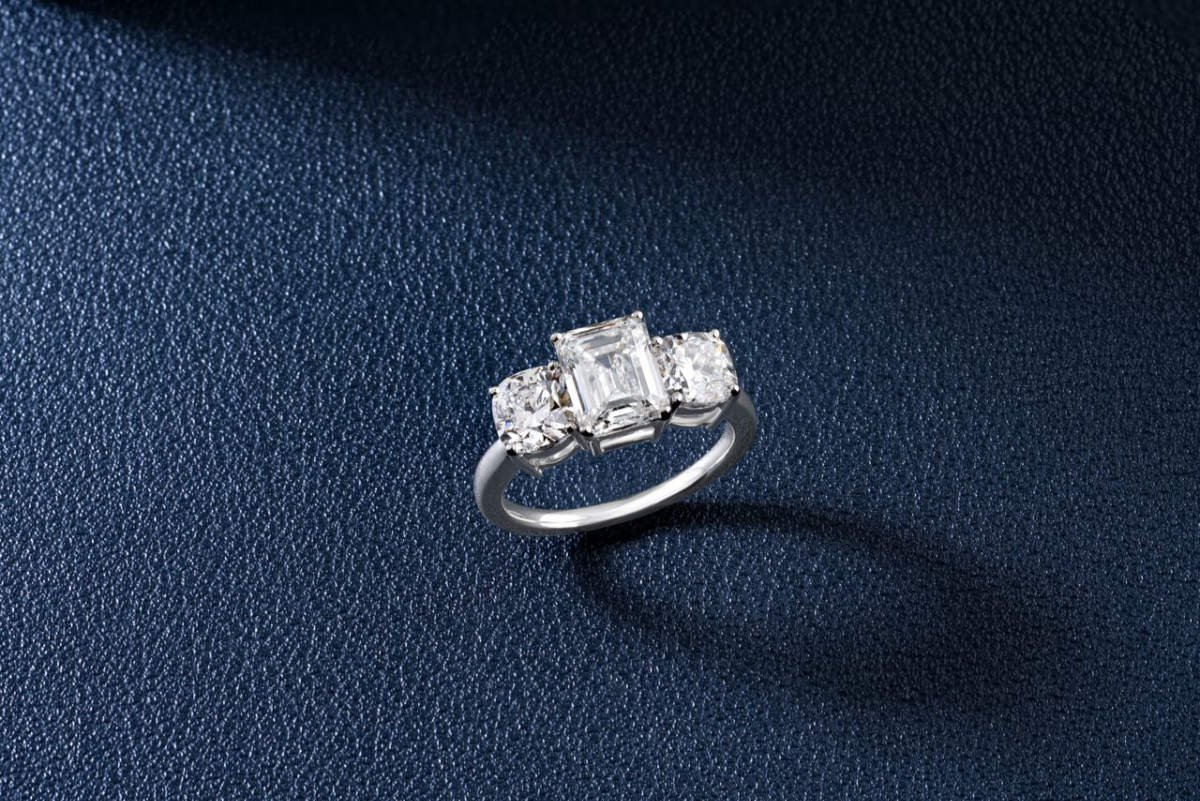
Past, present, future. It’s a sentiment jewellers have leaned on since the Victorian era, and it still lands because it’s true for most couples. The three-stone design also does something clever with proportion, using two smaller side stones to make the centre diamond appear larger without inflating the price the way a bigger single stone would.
Vintage and Art Deco Inspired
Geometric lines, milgrain edges, filigree detailing. Art Deco rings from the 1920s and 30s are having a real moment right now, partly because estate and vintage-inspired pieces feel less mass-produced than a lot of what’s on the market. But getting this look right isn’t really about picking a style off a shelf. It’s about finding a jeweller who’ll actually sit down, listen to what draws you to that era in the first place, and translate it into something that’s still unmistakably yours. Maybe it’s your grandmother’s ring that inspired the whole search, or a specific era of film or architecture you keep coming back to. A good custom process starts with that story, not a catalogue number. Cullen Jewellery Canada works this way, building vintage-inspired settings around what each couple brings to the table, using lab-grown diamonds to keep the cost well below what a genuine antique piece would run.
Bezel-Set Rings
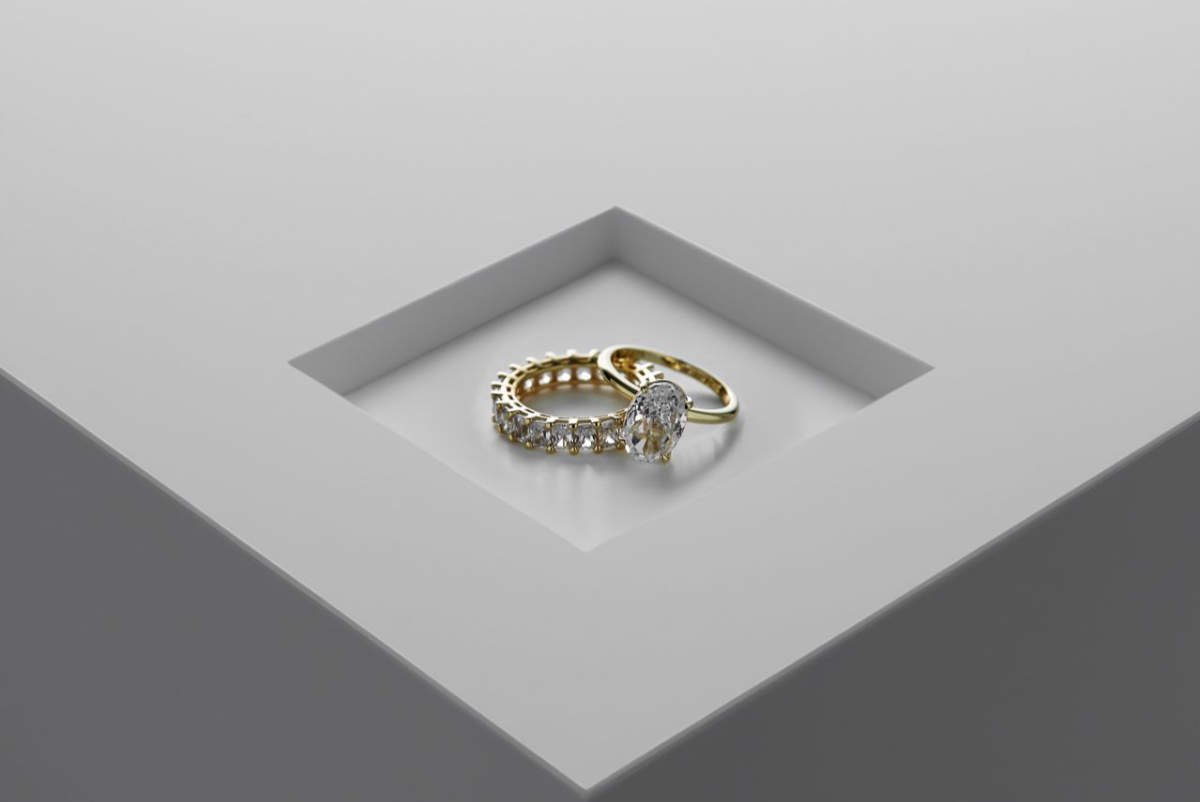
A metal rim wraps fully or partly around the stone instead of prongs holding it up. It’s a style that’s quietly gained traction with people who work with their hands, since there’s no prong to catch on gloves, dough, or gym equipment. Audrey Hepburn wore one. So does half of Brooklyn right now. The look reads modern, but bezel settings actually predate prong settings by centuries.
Pavé Bands
Tiny diamonds set close together along the band, so the whole ring catches light rather than just the centre stone. It’s a subtle way to add sparkle without going bigger on the main diamond, and it pairs well with almost any centre stone shape, which is probably why it hasn’t fallen out of favour since it became popular in the early 2000s.
Toi et Moi
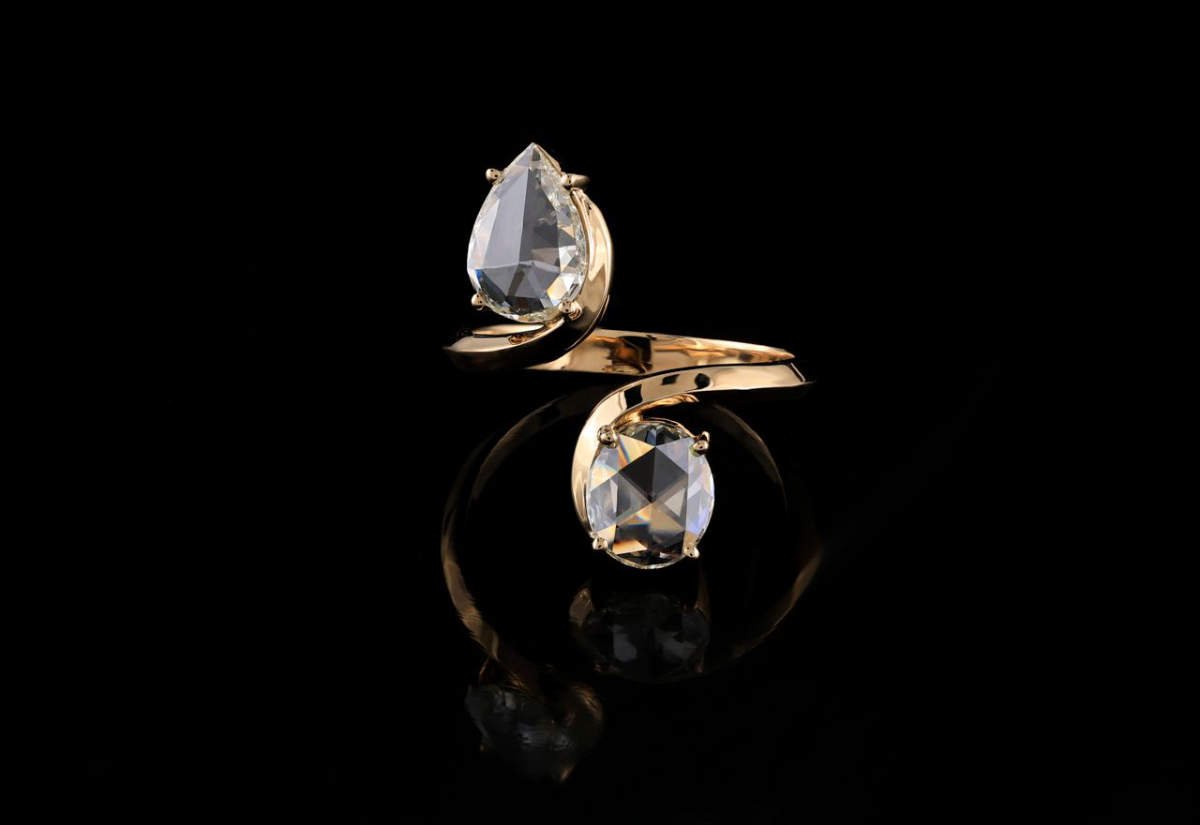
Two stones, side by side, instead of one. Napoleon proposed to Josephine with a toi et moi ring in 1796, and the style spent most of the 20th century in the background before reappearing hard around 2021, when several celebrity engagements brought it back into view. It’s proof that “timeless” doesn’t always mean “constant.” Sometimes a style just goes quiet for a while before it’s rediscovered.
The common thread across all seven? None of them depend on a passing aesthetic. They’re built around proportion, light, and wearability, the things that mattered in 1920 and still matter now. That’s usually a better bet than chasing whatever’s trending this particular season.
