

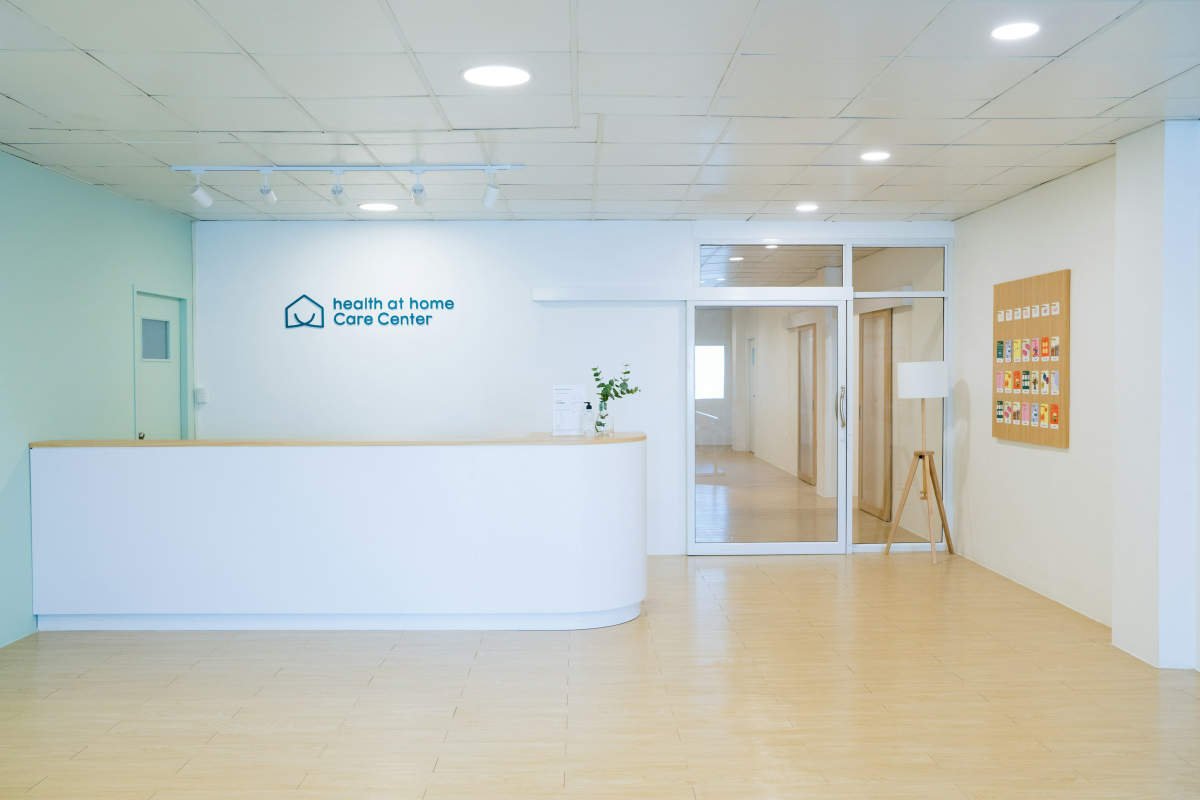
Modern healthcare facilities are abandoning sterile visual identities for warm, specialized design systems that build patient trust before the first visit.
Stepping into a traditional medical office often triggers an immediate sense of unease. Cold white walls, clinical lighting, and stark signage communicate efficiency to an administrator, but they signal anxiety to a patient. The medical industry is undergoing a design revolution. Sterile, intimidating clinic aesthetics are being replaced by welcoming, highly curated visual identities that mirror hospitality rather than clinical coldness.
Transforming your clinic environment starts with recognizing how the environment shapes patient psychology. When you move away from institutional branding toward thoughtful interior and graphic design, patients feel instantly calmer and more cared for before a physician ever walks into the room.
Why Do Generic Logos Fail in Competitive Markets?
Countless practices still rely on generic clip art featuring a standard cross, a stethoscope outline, or a bland blue shield. These tired tropes fail to differentiate your clinic in a crowded healthcare market where patients have endless choices. As Sologo explains, a logo functions as much more than a decorative badge; a logo serves as the primary impression of your service, implying competence, reliability, and emotional safety.
Building a distinct brand requires looking closely at what makes your specific practice unique. Perhaps you specialize in pediatric dentistry with a playful, comforting approach, or maybe your cardiology clinic focuses on high-tech precision delivered with concierge-level warmth. Your visual identity must reflect those specific values instead of hiding behind a generic medical symbol. Investing in specialized medical practice branding allows your clinic to stand out authentically while signaling professionalism and deep empathy. When your visual assets mirror your actual standard of care, patients stop viewing your practice as a transactional medical commodity and start seeing you as a trusted healthcare partner.
Why Does Color Psychology Matter in Modern Care Spaces?
Harsh fluorescent lights and stark white corridors historically defined medical spaces because designers associated those choices with absolute cleanliness. Bright, clinical environments often backfire by raising cortisol levels and stoking patient apprehension. Choosing soothing earth tones, warm wood accents, and soft lighting changes the psychological baseline of your waiting room.
Calming palettes communicate safety and empathy rather than clinical detachment. When you build a cohesive visual identity around soft blues, sage greens, or warm terracottas, you create a sanctuary instead of an institutional waiting bay. Patients absorb these visual cues within seconds of opening your doors, lowering their heart rates before a nurse calls their name.
Typography plays an equally vital role in shaping this initial comfort. Heavy, aggressive block lettering or overly clinical sans-serif fonts can feel cold and bureaucratic. Selecting approachable, clean serif or humanist sans-serif typefaces makes your informational brochures, signage, and digital portals feel accessible and human.
How Can You Translate Physical Clinic Design Into Digital Web Assets?
Your patients rarely discover your practice solely by walking past your physical location. Most individuals research providers online long before scheduling an appointment, meaning your digital front door must match the warmth of your physical practice. If your website features grainy stock photos and jarring neon colors while your waiting room feels like a boutique hotel, you create cognitive dissonance that erodes trust.
Consistency across every touchpoint matters immensely for modern patient acquisition. Studies by Ambrose Marketing note that maintaining consistent visual elements across both digital and physical touchpoints increases patient trust by up to 30%.
- Align digital colors: Mirror your clinic wall paint codes and wood tones in your website header and background hues.
- Feature authentic photography: Swap generic stock images of smiling models for genuine photos of your actual care team and facility.
- Simplify navigation menus: Make booking forms and patient portals as clear and welcoming as the front desk greeter.
What Steps Should You Take to Refresh Your Brand Identity?
Revamping your clinic identity requires a methodical approach that engages both your staff and your patient base. Rushing into a redesign without clear goals often leads to disjointed visuals that confuse your community.
- Audit current assets: Gather every piece of branded material, from business cards and prescription pads to your website footer and exterior signage.
- Survey your patients: Ask recent visitors how your current clinic aesthetic made them feel during their appointment.
- Define core values: List the top 3 emotional takeaways you want patients to experience when interacting with your practice.
- Partner with experts: Collaborate with design professionals who understand healthcare regulations, accessibility standards, and patient psychology.
How Do You Measure the Return on Design Investments?

Evaluating the success of a visual rebrand goes beyond simple aesthetic appreciation. Track key performance indicators over the 6 months following your rollout to gauge how patients respond to your updated identity.
Monitoring metrics like digital appointment booking rates, patient retention percentages, and feedback scores gives you clear data on your design impact. When patients feel genuinely welcomed by a cohesive brand experience, they leave better reviews, refer friends and family more frequently, and show up to appointments with significantly lower anxiety levels.
Trust is established visually before a patient ever speaks to a doctor. By replacing sterile environments with warm, intentional design systems, you create an immediate bond that transforms fearful visitors into loyal, long-term patients.
