

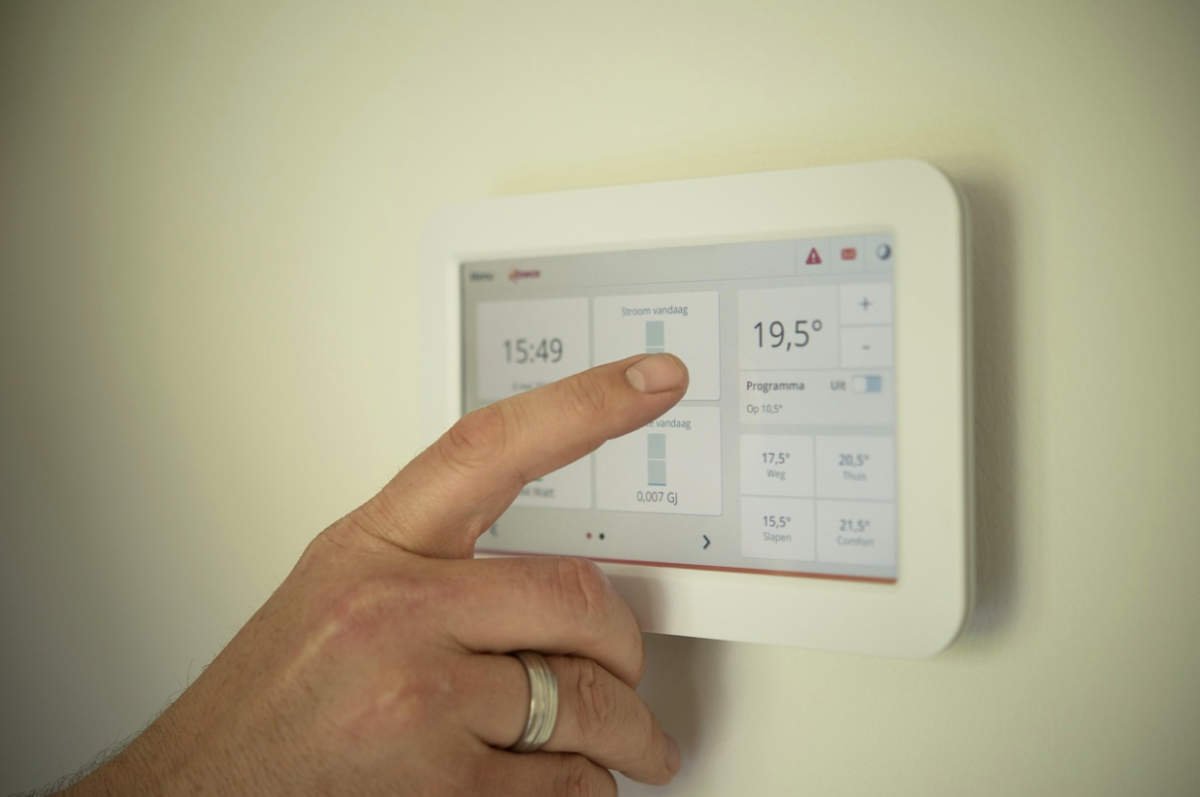
Sleek ductless units reflect a growing design philosophy where compact mechanical hardware complements clean spatial lines without disrupting interior flow.
You spend months refining every inch of your space, selecting furniture, lighting, and finish details. Traditional heating and cooling systems often ruin those efforts with giant soffits, dropped ceilings, and noisy metal vents.
Industrial design has quietly reshaped interior climate control. Modern hardware now integrates directly into your aesthetic vision, turning bulky appliances into sleek, unobtrusive architectural features.
Why Are Creative Spaces Moving Away From Bulky Ducts?
Heavy ducted systems force major structural compromises in residential lofts and creative studios. You lose overhead clearance, block natural daylight, and disrupt bare brick or concrete walls. Wall-mounted ductless units offer a modular alternative that protects your building’s original layout.
Selecting low-profile equipment allows you to preserve open vertical space while maintaining exact climate control in separate work zones. When planning your layout and estimating project expenses, you can get a quote from an expert installer to balance hardware costs against your renovation budget. Choosing customized zoning keeps installation simple and avoids structural destruction.
Ductless systems work well in rooms with little space for traditional air ducts. Their compact design helps keep the original look of ceilings and walls. Separate zones let users set temperatures based on how each room is used.
This can cut energy waste in areas that don’t need constant heating or cooling. A professional installer can check the building and recommend equipment that fits its layout and comfort needs.
How Do Geometric Profiles Complement Modern Interior Lines?
Contemporary climate fixtures feature sharp rectangular forms, matte surfaces, and neutral color schemes. Instead of drawing unwanted attention, these minimal shapes mirror the clean horizontal lines of modern shelving, picture frames, and studio partitions.
According to ENERGY STAR, certified ductless mini-split heat pumps cut home heating costs in half compared to conventional electric heating, using up to 60% less energy. High efficiency works alongside refined mechanical housing to elevate everyday workspace comfort.
Matching the unit’s finish to nearby walls helps it blend into the room. White, black, and neutral designs suit many modern interiors. Careful placement keeps the unit from blocking artwork, shelves, or other key features.
Efficient heating and cooling help keep a steady temperature all year. A simple design with smart placement creates a comfortable space without distracting from the overall look.
Balancing Acoustic Comfort with Visual Aesthetics
A clean design extends beyond visual symmetry into sound management. Quiet operation keeps your studio calm, allowing focus during long creative sessions or client meetings.
Research from the Pacific Northwest National Laboratory demonstrated up to 40% energy savings when utilizing ductless mini-splits as a primary heat source in residential test homes. Variable-speed compressors run continuously at lower levels, eliminating sudden loud blasts of air.
Lower noise levels make creative spaces more pleasant for daily work. Artists can focus on detailed tasks without constant background noise from heating or cooling equipment. Quiet operation helps during video calls, recordings, and client meetings.
Regular maintenance keeps the system running smoothly and limits unwanted sounds. Choosing equipment with a suitable noise rating supports both comfort and productivity.
What Strategic Placement Rules Protect Your Design Layout?
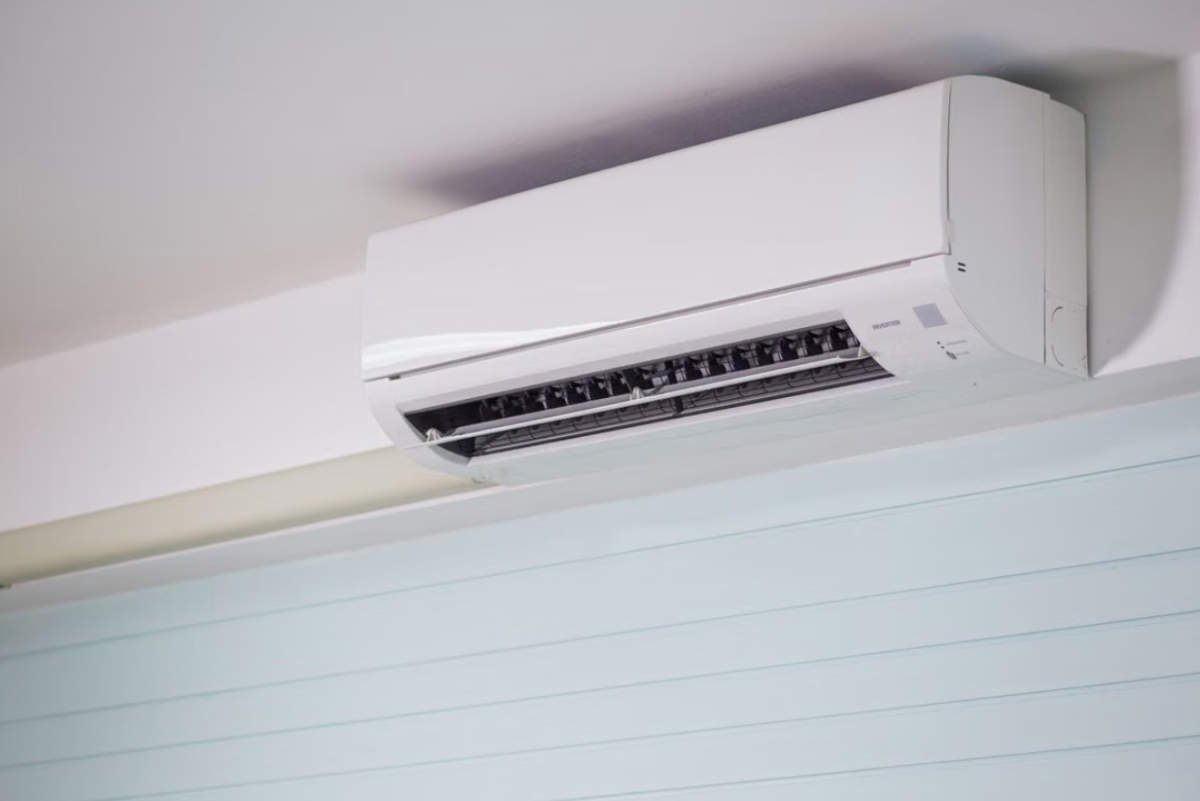
Position your climate hardware thoughtfully to maintain visual harmony across room surfaces. Installing units above doorways or alongside floating shelves keeps main focal walls clear for artwork and accent lighting.
- Align horizontal sightlines: Mount hardware in parallel with existing beam structures or window frames.
- Protect gallery walls: Keep direct airflow away from delicate art displays and textile installations.
- Maximize air distribution: Position units opposite main seating areas to guarantee balanced room coverage.
Integrating Hardware into Custom Architectural Elements
Designers frequently incorporate slim wall units into built-in cabinetry or custom recessed niches. Painting surrounding wall surfaces in matching matte shades helps mechanical housing merge into background walls.
Framing climate fixtures with architectural reveal details creates intentional design statements rather than accidental additions.
Good planning helps these fixtures fit naturally into the room’s design. Designers should leave enough space around each unit for airflow and easy maintenance. Matching nearby materials and finishes creates a more unified look.
Built-in features should never block filters or access panels that need regular cleaning. Working with an installer early in the design process helps balance visual appeal with reliable performance.
Selecting functional hardware should elevate your aesthetic vision rather than force visual trade-offs. Modern ductless units prove that high-performance engineering and minimalist product design can exist in total harmony.
By choosing climate solutions designed with spatial geometry in mind, you protect your room’s architectural integrity while enjoying efficient, tailored indoor comfort every day.
