

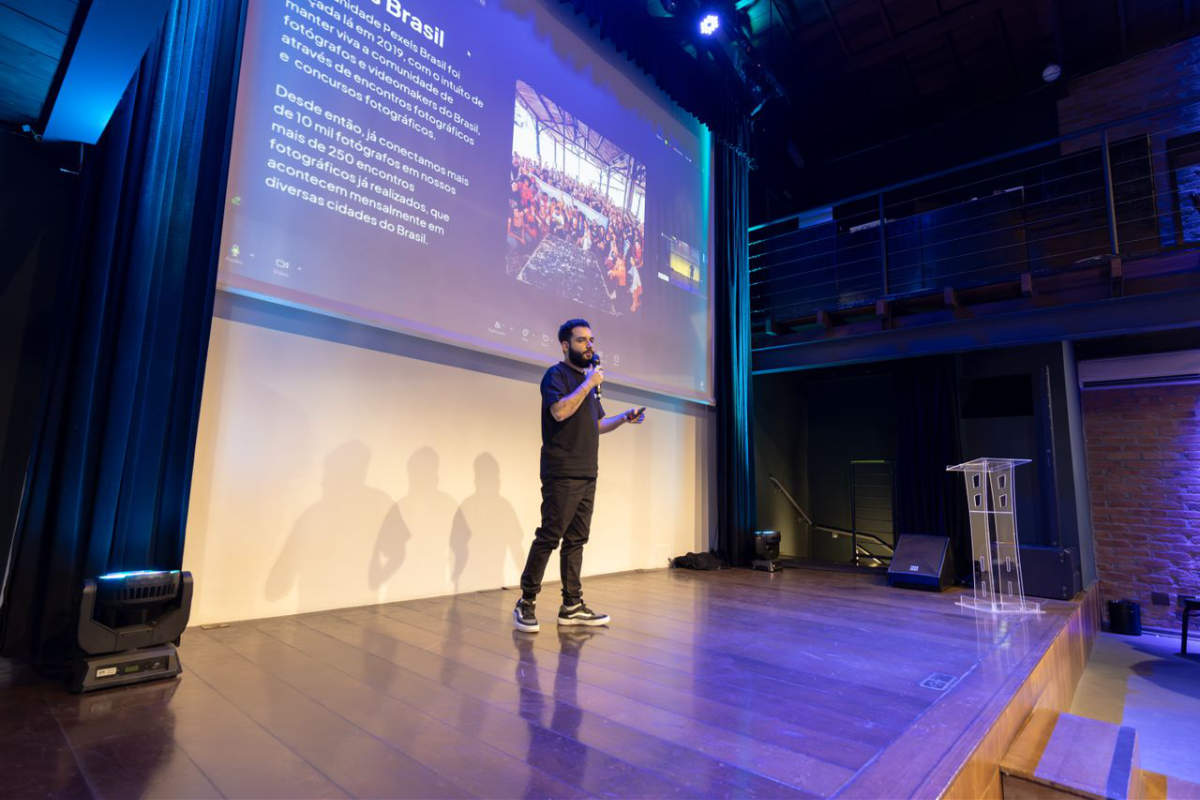
Event design goes far beyond selecting room decor, background music, or lighting schemes. Every graphic, stage setup, and presentation contributes to a unified visual story. Keynote speakers often form the emotional center of this entire creative setup. When curated thoughtfully, a keynote speech elevates ordinary room aesthetics into a memorable collective moment.
Partnering with Talent Specialists for Event Curation
Creative teams invest hours crafting stage designs and brand visuals. Event planners often partner with JLA Speaker Bureau or similar trusted agencies to discover speakers who align with specific visual themes and audience expectations. Alignment between the speaker’s tone and the visual environment creates a seamless attendee experience. A well-matched presenter reinforces every color palette, typography choice, and scenic element on stage.
Visual harmony requires planning across all production departments. Stage lighting, backdrop graphics, and presenter slides must tell a cohesive narrative. When live talent matches the aesthetic tone of the venue, attendees absorb messaging much faster.
Prioritizing In-Person Audience Connection
Physical spaces allow event creators to build immersive environments that digital screens cannot replicate. Stage dimensions, spatial lighting, and acoustic design work together to focus attention on the main presenter. Live interactions generate shared energy across the entire audience.
Industry booking statistics show that in-person gatherings represent 88% of speaker bookings, with virtual formats serving as supporting elements. This data highlights the enduring power of physical attendance. Designing physical stages for maximum visual impact encourages deeper participant focus.
Event producers continuously experiment with room layouts to increase stage proximity. Curved seating arrangements and thrust stages bring attendees closer to the speaker. These spatial choices transform passive listening into active engagement.
Choosing Keynote Presenters Who Match Visual Themes
Visual concepts set the mood, but spoken words deliver the core message. Selecting stage talent requires looking beyond simple credentials to find compelling storytellers. The right presenter brings artistic stage props and branded backdrops to life.
Speaking industry analysis indicates that a skilled presenter inspires audiences and ignites creative thinking long after main stage presentations finish. Event insights demonstrate that locking in the right speaker serves as a foundational step toward delivering a memorable experience. Aligning speaker delivery with scenic aesthetics creates powerful memories.
Design teams can integrate several key elements when pairing speakers with visual themes:
- Color-coordinated presentation slides that mirror event branding guidelines
- Customized stage props that visually reinforce key talk points
- Dynamic lighting cues synchronized with major speech transitions
- Dedicated interactive Q&A segments designed around custom room layouts
Every item on this list helps merge visual artistry with live performance. Bringing presenters into design discussions early yields better creative alignment.
Building Brand Trust Through Stage Production
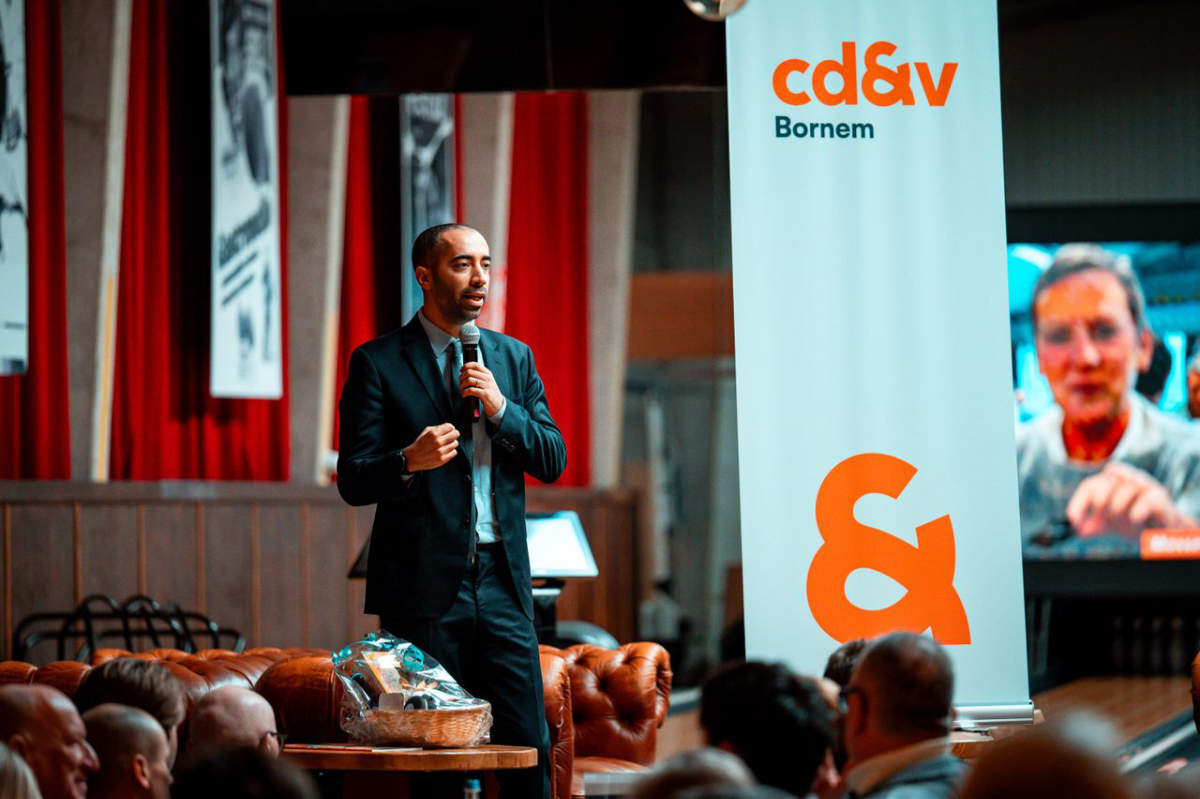
High production values signal professionalism and care to every participant in the room. Careful stage setup, crisp audio engineering, and sleek motion graphics reflect positively on host organizations. Creative design choices communicate brand identity before a single word is spoken.
Event research highlights that live gatherings offer organizations a direct path to build trust with attendees, partners, and team members. Stage presentations serve as physical representations of brand values. Authentic keynotes paired with polished visuals build lasting credibility.
Economic data from global event studies shows business events generated $1.3 trillion in direct spending as live attendance rebounded. Large investments in event infrastructure reflect the high value placed on face-to-face gathering. Quality stage production maximizes return on these investments.
Structuring Content for Corporate Audience Sectors
Different industries require distinct visual styles and presentation formats. A tech conference demands sleek digital displays, whereas an academic symposium benefits from clean typography and structured data presentation. Tailoring spatial design to audience expectations increases message retention.
Event breakdown statistics reveal corporate conferences account for 34% of keynotes, followed by healthcare gatherings at 29% and higher education meetings at 22%. Each sector brings unique expectations for stage layout and visual storytelling. Matching presentation tone to industry culture creates immediate rapport.
Designers must adapt room geometry and screen sizes to suit specific industry norms. Corporate audiences often prefer dynamic multi-screen setups with real-time poll displays. Customizing environment details ensures presentations resonate with targeted audience demographics.
Transforming Visual Energy into Lasting Action
A successful keynote leaves a lasting impact long after event house lights turn back on. Scenic graphics, memorable slogans, and powerful takeaway points stay with attendees for months. Visual design acts as a memory trigger for speech takeaways.
Strategic planning guides highlight that selecting a strong theme represents only the first step, as true success relies on driving long-term behavior change. Speakers who challenge audiences to act give visual designs purpose. Combining strong words with striking visuals creates meaningful transformation.
Post-event content distribution extends the lifespan of main stage presentations. Video clips, infographic summaries, and slide decks reinforce key ideas. Continuing the visual narrative online keeps audience momentum strong.
Designing impactful events requires harmonizing visual design, stage presentation, and audience engagement. Strong keynotes anchor creative layouts, turning stylish environments into meaningful conversations. Every design decision, from lighting choices to talk topics, works together to leave a lasting mark. Strategic planning turns single-day events into powerful brand moments.
