

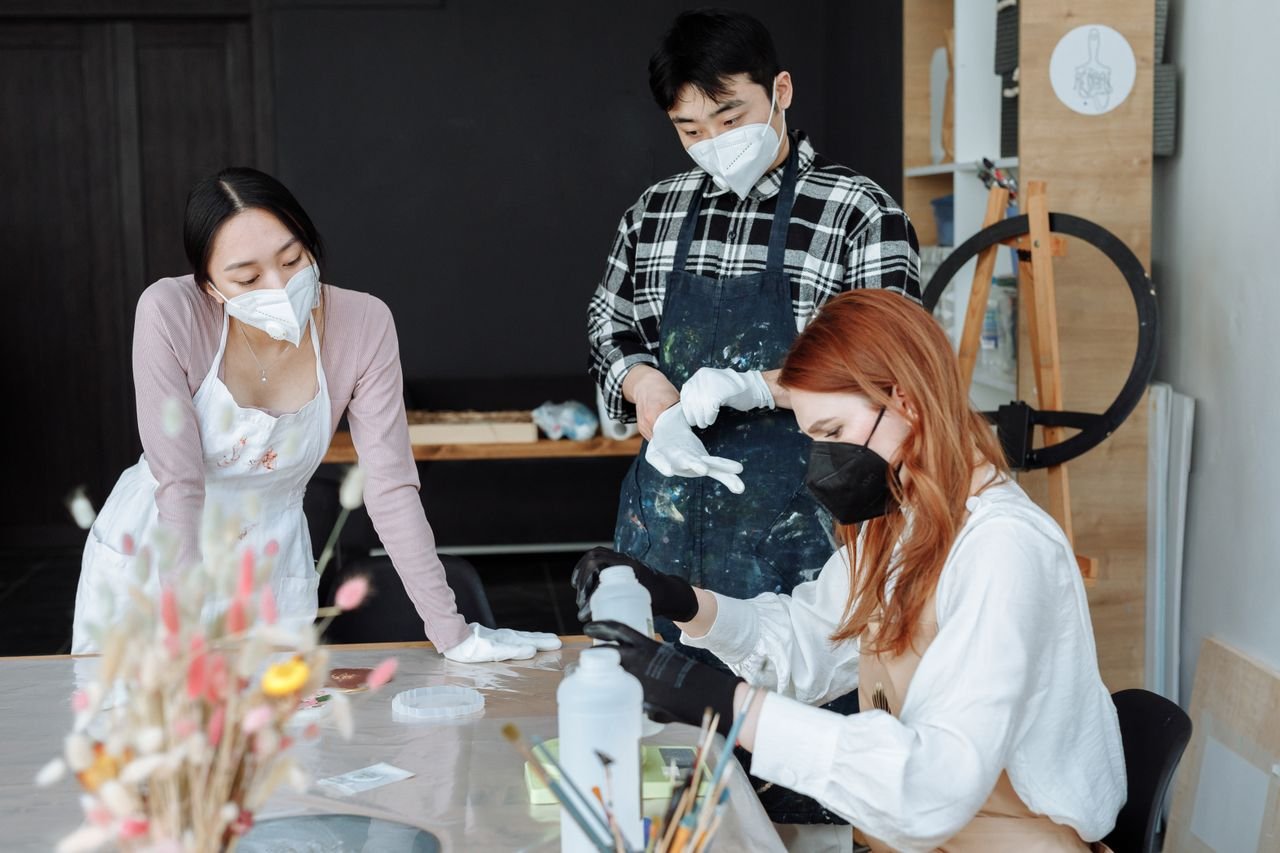
As companies scale operations and take on regulated enterprise contracts, HR leaders are adopting streamlined testing protocols to protect workplace safety.
Your studio used to thrive on handshakes, late-night brainstorms, and rapid freelance onboarding. Now that your creative agency or production house is pitching Fortune 500 enterprises, municipal governments, or transportation-adjacent partners, those informal habits suddenly stand between you and a signed contract. Enterprise procurement teams expect documented human resources protocols and strict workplace safety standards before they hand over a purchase order.
Building a compliant operation does not mean sacrificing the creative agility that won you the pitch in the first place. By upgrading your hiring and safety workflows with modern digital tools, you can satisfy strict corporate vendor requirements without slowing down your talent pipeline.
Why Do Enterprise Contracts Demand Formal Safety Policies?
When your studio transitions from local startups to regulated corporate accounts, your risk profile shifts overnight. Large enterprise clients carry strict liability obligations, and they pass those standards directly down to every creative vendor, production crew, and agency partner on their roster. If your team works on-site at a client facility, handles sensitive logistics, or operates specialized production equipment, your client’s legal department will demand proof of a drug-free workplace policy before work begins.
Skipping these formal safeguards creates financial and operational exposure that a growing agency simply cannot afford. According to research highlighted by the Blue Collar Business Podcast, businesses typically save between $4 and $6 for every $1 they invest in proactive safety initiatives. Treating compliance as a core business asset protects your studio from costly project delays, insurance hikes, and disqualified vendor bids.
How Can You Streamline Pre-Employment Testing Without Slowing Hiring?
Creative production schedules move fast, and waiting 2 weeks for a manual background check or paper-based drug screen can cost you top freelance or full-time talent. Modernizing your screening workflow removes administrative friction so your managers can focus on creative delivery rather than chasing paperwork.
Electronic Ordering and Digital Chain of Custody
Replacing physical paper forms with electronic test ordering eliminates lost paperwork and manual data entry errors. When you extend an offer, your coordinator sends a digital authorization straight to the candidate’s smartphone, allowing them to select a convenient collection clinic near their home or shoot location. Automated tracking updates your team in real time the moment a candidate completes their sample collection.
Accredited Lab Networks and Medical Review Officer Oversight
Partnering with SAMHSA-certified laboratories guarantees that every specimen follows strict federal testing protocols that stand up to corporate audits. Setting up with a solution such as the National Drug Screening program connects your internal HR team directly to accredited labs and licensed Medical Review Officers. A Medical Review Officer independently verifies positive lab results and contacts candidates privately to check for valid prescriptions, shielding your creative directors from awkward medical conversations while keeping your hiring decisions legally defensible.
What Makes a Workplace Compliance Policy Defensible and Fair?
A written safety handbook only protects your business if your employees understand the rules and trust how leadership enforces them. Ambiguous guidelines create confusion on set and in the studio, leaving managers guessing when an issue arises.
Clear Employee Communication
Your team needs transparent expectations from day one. Spell out exactly when testing occurs, such as pre-employment onboarding, post-accident reviews, or reasonable suspicion scenarios, inside your employee handbook. Walk new hires through these policies during orientation so nobody feels blindsided when a corporate client requires screening prior to a project kickoff.
Strict Confidentiality Protections
Trust is the currency of any collaborative creative environment, and mishandling sensitive health records will destroy morale quickly. Store all screening results and medical disclosures in encrypted, restricted-access HR files completely separate from general personnel folders or project management boards.
Handling Sensitive Workplace Reports

Protecting employee privacy also encourages staff members to speak up when safety or conduct standards slip. Research from Bolt Burdon Kemp shows that 53% of creative industry workers who experienced inappropriate behavior chose not to report it to anyone at work, and only 16% of those who did raise concerns felt their workplace situation improved. Establishing confidential, impartial reporting channels alongside your testing protocols proves to your staff that leadership takes workplace safety seriously.
Consistent Testing Procedures
Applying your compliance rules selectively exposes your studio to discrimination claims and weakens your standing during client audits. Follow identical screening steps for every candidate entering a designated role, regardless of seniority or personal familiarity.
- Define eligible roles: Map out which positions require pre-employment screening based on client contracts, safety duties, or on-site access requirements.
- Standardize testing triggers: Document objective criteria for post-incident or reasonable suspicion testing so supervisors never rely on guesswork.
- Train studio managers: Teach department heads how to spot safety risks and escalate concerns to HR without making premature accusations.
- Audit vendor records: Review your digital compliance logs quarterly to verify that every active contractor and full-time employee has current clearance on file.
Formalizing your studio’s workplace safety and testing protocols gives you the operational backbone needed to win larger, more lucrative enterprise accounts. By relying on an accredited third-party administrator for digital test ordering, certified lab analysis, and medical review, you protect your creative culture and keep hiring fast without burying your internal team in red tape.
